
 #visource
La Niña Weather Pattern May Spawn an Active 2024 Atlantic Hurricane Season
The 2024 Atlantic Hurricane Season will officially begin on June 1, and a La Niña weather event may occur during this year’s season. The combination of a La Niña and extremely warm sea surface temperatures may help to increase the number of cyclones that develop in the Atlantic Ocean and Caribbean Sea.
The National Oceanic and Atmospheric Administration’s (NOAA) Climate Prediction Center (CPC), a division of the National Weather Service (NWS), issued a La Niña Watch on Feb. 8, explaining that there is a 55 percent chance of La Niña developing between June and August.
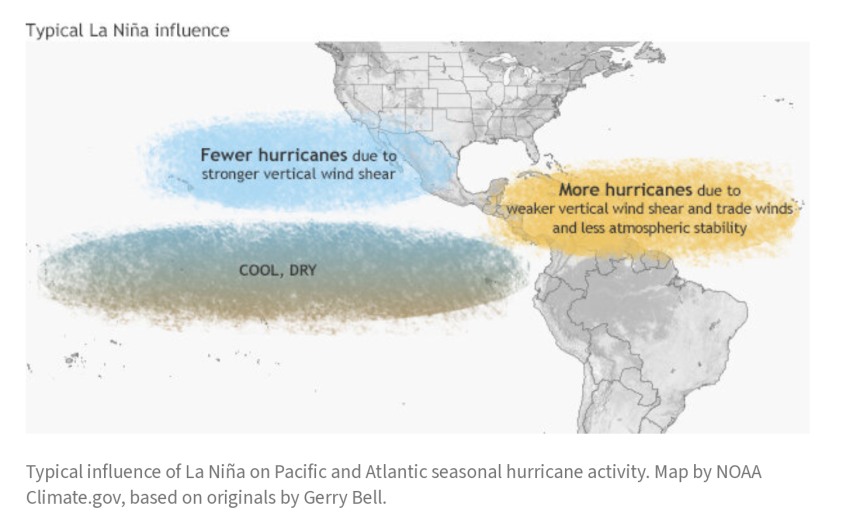
During a La Niña cycle, the waters across the equatorial Pacific Ocean cool significantly, affecting global weather. During La Niña, wind shear — a change in wind direction and velocity with height in the atmosphere — also typically decreases in the Atlantic Ocean. A reduction in wind shear can favor cyclone development. This pattern is the opposite of El Niño, a warming of the equatorial Pacific, which usually increases wind shear in the Atlantic Ocean, helping to rip apart storms and preventing hurricane formation and intensification. A cycle of El Niño has been occurring since June 2023.


US slashes UN humanitarian aid to $2bn, huge cut as Trump demands refo...

Lawsuit Accuses Late St. Croix Businessman’s Son and Daughter-in-Law o...
