
 #viconsortium
VIElectron Sues Highcrest Over Alleged Financial Coercion in Solar Farm Deal
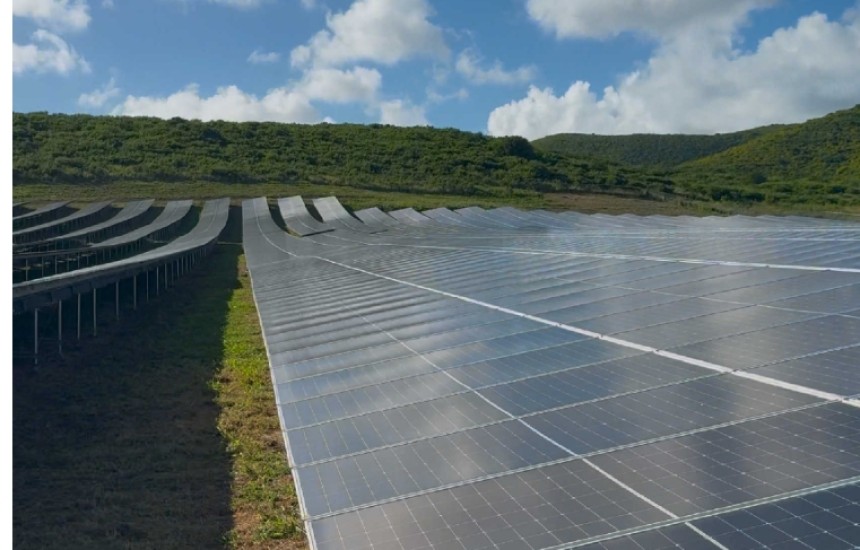
VIElectron is suing one of its lenders, a company called Highcrest, for what they claim was an unfair last minute requirement imposed at a critical moment, for the sole purpose of enriching Highcrest at VIElectron's expense. VIElectron undertook two solar farm projects in Estates Petronella and Hogensborg which are now complete, with the Petronella farm already providing power to the grid, and the Hogensborg project undergoing testing work following its interconnection to the grid.
In the civil complaint, filed on Tuesday, VIElectron outlined the financing arrangements backing the projects. In addition to self-financing to the tune of tens of millions of dollars, the company also sought third-party financing, turning to “unconventional lender” Savent.
Savent, the lawsuit explains, functions as somewhat of a clearing house for loans. “Investors are registered Savent users who may review loan listings and may choose to invest in a loan listing corresponding to a borrower's loan,” the complaint outlines. Highcrest, one of those investors, chose to fund the loans for VIElectron's solar projects which, according to the legal framework that had been developed, were owned by various subsidiaries and entities associated with VIElectron.
According to court documents, the fall of 2024 brought financial difficulties to VIElectron and its associated entities. “The maturity dates on the Savent loans were fast approaching,” the lawsuit says. A default on those loans carried the risk that lenders would foreclose on the assets of the Petronella and Hogensborg projects, thus destroying the solar farm projects.
To avoid that risk, the borrowers negotiated the sale of solar investment tax credits, which would raise enough revenue to pay off the loans completely. The success of the solar projects hinged on the successful tax credit sale, the lawsuit argues, something which Highcrest knew.


VIHA Launches Right To Return Initiative For Donoe And Tutu Hi-Rise Fa...

