
 #visource
Op-Ed: Naming the Ships: The Vessels That Carried Africans into the Danish Caribbean
The Virgin Islands possesses an extraordinary concentration of historical, archaeological, architectural, artistic, and cultural knowledge, yet we have not built the sustained capacity necessary to translate that inheritance into a functioning orange economy. We are sitting on richness, but richness does not become collective prosperity merely because it exists. It requires research, preservation, interpretation, education, skilled employment, public investment, and institutions capable of keeping the economic and intellectual benefits within the community.
The orange economy describes economic activity generated through culture, heritage, creativity, knowledge, and intellectual property. Within the Virgin Islands, its purpose should extend beyond increasing visitor spending or placing another attraction on a tourism itinerary. Its success should be measured by whether Virgin Islanders can research and interpret their own history, whether young people can enter careers in archaeology, museum studies, filmmaking, archival research, conservation, education, diving, design, and digital humanities, and whether residents receive the public services and cultural infrastructure necessary to build meaningful lives here. Heritage should generate employment and enterprise, but it should also generate historical understanding, educational opportunity, community ownership, and a greater capacity to care for the people who call these islands home.
The Virgin Islands occupies an unusually strategic position within the Caribbean. We are part of the Antilles, carry the history of Danish colonialism, and now operate within the political and federal structure of the United States. Puerto Rico holds a related but distinct position through its Spanish-Caribbean history and present relationship with the United States. These overlapping identities allow the territories to enter conversations with the Caribbean, Europe, Africa, Latin America, and the United States from perspectives unavailable to most jurisdictions. Yet we frequently approach these relationships primarily as applicants seeking federal funding, without fully recognizing that our historical knowledge, geographical position, archives, cultural practices, and international relationships are themselves valuable forms of capital.
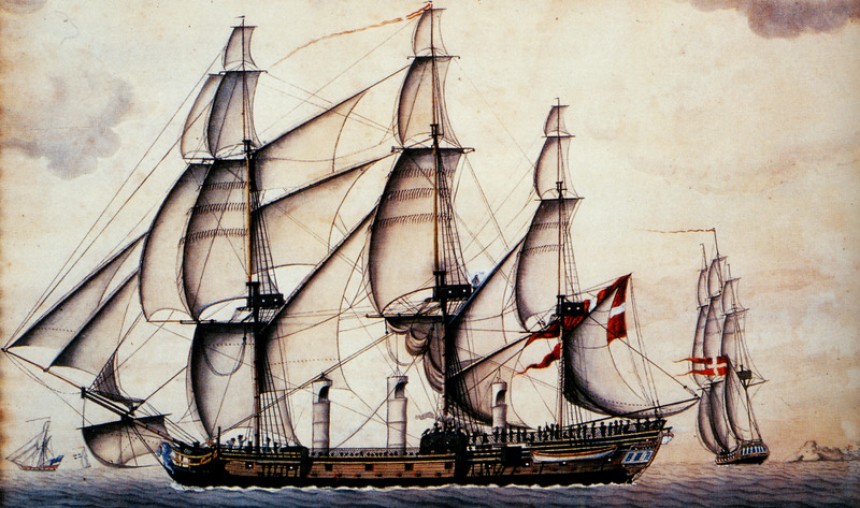
One project capable of activating that potential is Naming the Ships: The Vessels That Carried Africans into the Danish Caribbean. The initiative would identify, document, and publicly interpret the vessels that trafficked African men, women, and children to St. Thomas, St. John, and St. Croix. People across the world know the Titanic, the Mayflower, and the vessels associated with famous battles and European exploration. Virgin Islanders should also know the ships connected to our physical presence, our family histories, and the formation of our society. Naming these vessels does not celebrate them. It exposes the machinery through which African people were displaced, while recovering the resistance, survival, knowledge, labor, and community formation that occurred aboard them and after their arrival.



$39 Million Worth of 8 Percent Repayment Checks Coming Next Week. Here...